Future of Work and Mobility
DFW’s Traffic Problem Isn’t Just Growth — It’s the Rise of the On-Demand Economy
The rise of the on-demand lifestyle — and the thousands of vehicles it adds to the road every hour. Think about everything that didn’t exist or barely existed 20 years ago:
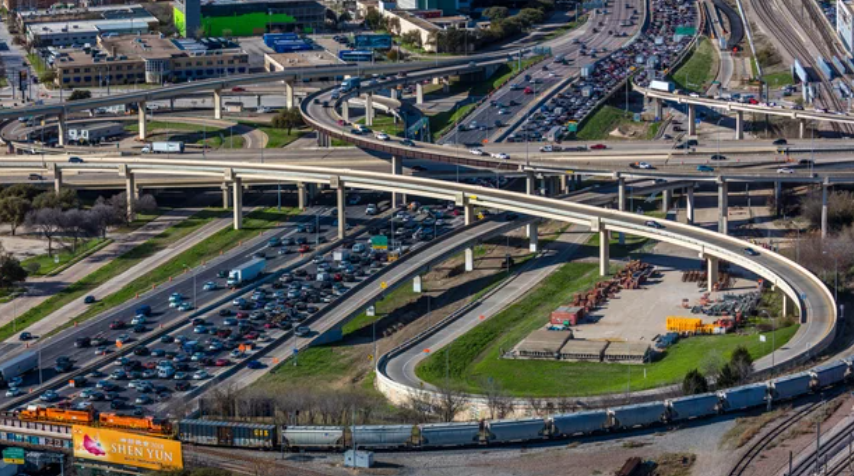
The Dallas–Fort Worth region didn’t wake up one day with 69 hours of annual congestion per driver. It happened over two decades of explosive population growth combined with something cities rarely talk about:
The rise of the on-demand lifestyle — and the thousands of vehicles it adds to the road every hour.
Think about everything that didn’t exist or barely existed 20 years ago:
- Uber
- Lyft
- DoorDash
- Instacart
- Amazon Same-Day
- Mobile pet grooming
- Mobile detailing
- Mobile notary
- Mobile tire services
- Mobile oil change vans
- On-demand healthcare visits
- Lunch delivery, food delivery, pharmacy delivery.
DFW is the testing ground for all of it — delivery robots, drone delivery, autonomous pilots, and a huge gig-driving workforce.
Convenience skyrocketed. So did vehicle miles traveled.
Every service added one more car, one more stop, one more trip across an already-spread-out metroplex.
And cities rarely connect these dots.
The Missing Conversation: On-Demand = More Vehicle Trips = More Congestion
While official reports often point to population growth, construction, and urban sprawl, there’s a fourth driver that is significantly under-recognized:
DFW’s on-demand economy increases road volume by millions of micro-trips every week.
Every grocery run delivered to a doorstep.
Every bag from DoorDash.
Every rideshare, every return, every pickup.
Even small businesses now run mobile fleets — from locksmiths to med-spa nurses.
The result: a metro where convenience and congestion grew in parallel.
And That’s Where Zitaii Represents the Next Evolution of On-Demand
Zitaii is not another one-by-one, house-to-house, extra-trip service.
Zitaii aggregates demand at the workplace — the place people already drive to.
Instead of sending a mechanic to 20 different homes spread across 50 miles of the metro, Zitaii brings certified technicians to where those 20 people already park every day:
business parks, coworking spaces, office campuses, and community hubs.
This model does three essential things:
1. Cuts down unnecessary trips
One service stop at one workplace replaces dozens of scattered drives across DFW.
2. Improves road safety
When maintenance is convenient, more people actually complete the services that keep their vehicle safe — tires, brakes, inspections, oil, lighting, wipers.
Fewer breakdowns. Fewer blowouts. Fewer unsafe cars on the road.
3. Reduces emissions — dramatically
Every avoided trip is a reduced CO₂ footprint.
For employers, this becomes measurable ESG impact.
For DFW, it means the city moves closer to a cleaner, less congested future.
Zitaii becomes the traffic-friendly evolution of the on-demand economy.
So… Is Zitaii an Essential Business? Absolutely.
When you step back, Zitaii sits at the intersection of:
- Road safety
- Employee well-being
- Sustainability and ESG
- Traffic reduction
- Convenience and productivity
The mission isn’t just “fix cars.”
It’s:
**Keep roads safer.
Cut unnecessary trips.
Support employers.
Help the environment.
And give people their time back.**
This is essential infrastructure for how people live and work in 2026 and beyond.